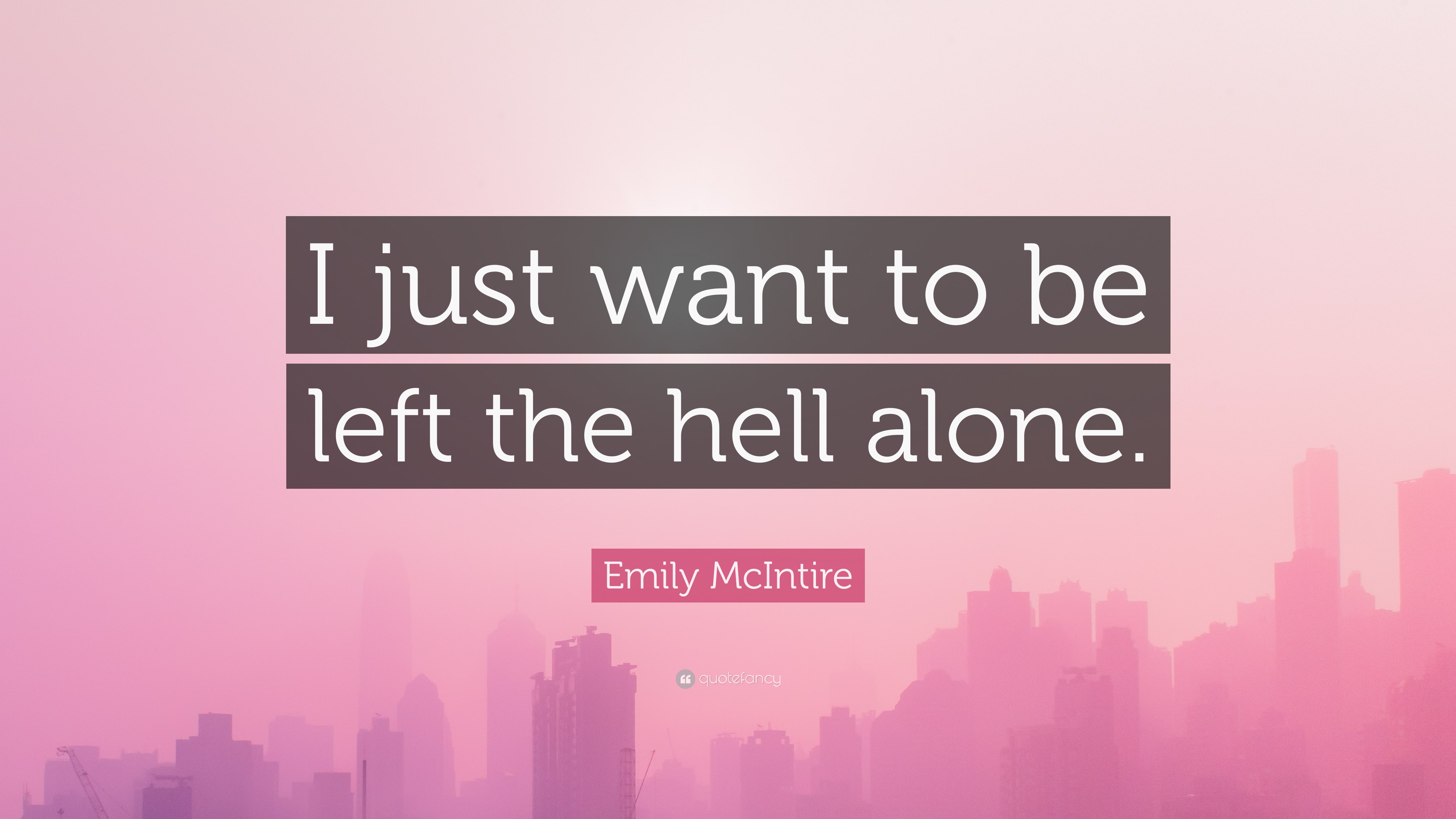
"I want to be left alone. I want attention for the music, but I want to be able to go in public and eat a sandwich."
This unattributed yet unmistakable sentiment—often cited as a quote of the day from Eminem—encapsulates the emotional whiplash of modern celebrity. It’s not from a song lyric, nor a direct transcript from an interview, but it’s deeply rooted in the rapper’s documented struggles with fame, identity, and public perception.
It distills a contradiction millions recognize: the desire for recognition without the erosion of privacy. And no one embodies that tension more visibly than Marshall Mathers.
The Paradox of Public Recognition
Eminem’s career is a masterclass in navigating contradiction. He burst onto the global stage with lyrics so raw, personal, and controversial that they demanded attention. Yet, almost immediately, he expressed disdain for the spotlight that his art created.
That line—"I want to be left alone... but I want attention for my music"—isn't a contradiction. It's a declaration of boundaries. He doesn’t reject fame; he rejects its intrusion.
Consider this: Lose Yourself, one of the most motivational anthems of the 21st century, was born from the very struggle he sings about. The song’s protagonist battles fear, self-doubt, and the fleeting nature of opportunity. Eminem lived that. He wanted the world to hear his truth, but not to dissect his life.
The paradox? - He needed fame to validate his voice. - He resented fame for stripping his anonymity.
This isn't unique to him—but few have articulated it as clearly, even indirectly, as he has.
Fame as a Double-Edged Sword: Lessons from “Mockingbird”
In Mockingbird, Eminem peels back the curtain on fatherhood, regret, and the cost of success. Lines like: > "I'm tryna give you things I never had / I'm tryna make you feel the way I was never made to feel"
show a man aware of what he’s missing. The song isn't just for his daughters—it's an apology to himself, to his past, and to the version of Marshall that just wanted to eat a sandwich in peace.
That simple image—"eat a sandwich"—is powerful because it’s mundane. It represents normalcy. A life where you’re not followed, photographed, or expected to perform just because you walk into a diner.
But here’s the irony: the more vulnerable he became in songs like Mockingbird and When I’m Gone, the more the public felt entitled to his personal life. Fans didn’t just want his music—they wanted his pain, his process, his parenting.
And that’s where the quote resonates beyond celebrity. It speaks to anyone who’s ever created something meaningful and then been consumed by the reaction to it.
The Public Eye vs. Private Self: A Modern Dilemma
Eminem didn’t seek celebrity culture—he was thrown into it. His rise coincided with the early 2000s tabloid explosion, reality TV, and the dawn of social media. The world didn’t just want his music; it wanted access.
Stories about his relationships, custody battles, and relapses became headlines. Paparazzi camped outside his home. Yet, his music consistently returned to a theme: I’m telling you my story so you understand me—not so you can judge me.
That’s the core of his quote. He wants the work to be seen. He doesn’t want the man behind it to be scrutinized.
This mirrors a growing tension in the digital age. Creators across fields—writers, artists, entrepreneurs—struggle with the same issue. They want their message to spread but resent the personal exposure that often comes with virality.
Real-World Implications:
- A poet shares a viral piece on mental health, then gets flooded with unsolicited therapy requests.
- A YouTuber documents their sobriety journey, only to have every slip dissected online.
- An indie musician hits a million streams, but now can’t walk down the street without being recognized.
They all want the same thing Eminem wants: recognition for the art, not ownership over the artist.
Why “Eat a Sandwich” Resonates So Deeply
The specificity of “eat a sandwich” makes the quote human. It’s not about luxury or escape. It’s about dignity. About autonomy.
Think about it: - You don’t worry about being filmed when you bite into a burger. - You don’t rehearse your facial expressions at a deli counter. - You don’t check your surroundings before ordering.
But for celebrities, these small acts become high-stakes performances. One wrong bite, one misunderstood glance—and it’s a meme, a headline, a controversy.
Eminem’s longing isn’t laziness or arrogance. It’s a plea for peace. For the right to exist without performance.
And yet, he knows the trade-off. Without the fame, Lose Yourself wouldn’t have soundtracked Olympic comebacks, graduations, or therapy sessions. Without the spotlight, Mockingbird wouldn’t comfort single parents worldwide.
So he endures it. But he doesn’t have to like it.
The Cost of Relatability in a Hyperconnected World
Eminem’s power lies in his relatability. He raps about poverty, addiction, fatherhood, and insecurity—themes that transcend race, geography, and generation. But that relatability comes at a price: people feel they know him.
They don’t.
They know Slim Shady. They know the character who burned down the trailer park in his mind. They know the voice behind the beats.
But Marshall Mathers? The man who just wants to eat a sandwich? That version is guarded—and rightly so.
This dynamic plays out constantly in modern media. The more authentic someone appears, the more the public assumes intimacy. But authenticity in art doesn’t equal consent for intrusion.
Common Mistakes Fans (and Media) Make:
- Assuming lyrical content equals literal confession
- Equating vulnerability with availability
- Forgetting that performance ≠ permission
Eminem has pushed back—through lyrics, interviews, and even legal action against unauthorized biographies. His message is consistent: You can have the music. Don’t touch the man.
The Cultural Legacy of a “Sandwich” Statement
Though not a direct quote from a verified source, this sentiment has taken on a life of its own—shared as a quote of the day, printed on posters, referenced in documentaries. Why?
Because it captures a universal truth: we want to be seen for our work, not stalked for our lives.
It’s relevant not just to celebrities, but to anyone building a public presence. Influencers, podcasters, authors—they all face the same calculus. Visibility brings opportunity. But it also brings exposure.
And in a world where a single tweet can go viral, where AI can clone voices, and deepfakes blur reality, the line between artist and art is thinner than ever.
Eminem’s “sandwich” statement is a warning and a wish: Let me create. Let me matter. But let me also disappear when I choose.
How to Honor the Art Without Invading the Artist
We can learn from Eminem’s implied boundaries. Here’s how to engage with public figures—especially those who’ve opened up—respectfully:
- Separate the work from the person. Appreciate Lose Yourself without demanding to know every detail of his rehab journey.
- Resist over-interpretation. Just because he mentions his mom in a song doesn’t mean every fan gets to weigh in on their relationship.
- Support without surveillance. You can stream his music daily without tracking his whereabouts.
- Let silence speak. If he’s not posting, don’t assume crisis—assume rest.
This isn’t about censorship. It’s about respect. Eminem gave us his truth in 16-bar verses. That doesn’t mean he owes us his grocery list.
Final Thoughts: The Freedom to Be Invisible
Eminem never asked for a throne. He asked for a mic. He wanted to rap. To vent. To survive. The fame was collateral damage.
Now, decades later, he still performs, still releases music, still commands arenas. But he also vanishes for years. Shows up unannounced. Lives quietly in Detroit.
He’s found a balance: - The music gets the attention. - The man gets the peace.
And if that means occasionally eating a sandwich without being recognized? Then maybe, just maybe, he’s won.
For the rest of us—creators, fans, observers—the lesson is clear: celebrate the art, but protect the human behind it. Fame shouldn’t be a life sentence. Sometimes, greatness just wants a pastrami on rye in peace.
FAQs
Is "I want to be left alone... eat a sandwich" a real Eminem quote? While widely attributed, it’s not a direct, verbatim quote from a recorded interview or song. It’s a paraphrased summary of sentiments Eminem has expressed repeatedly in media and lyrics.
What song is about Eminem wanting to be left alone? While no song is titled that way, When I’m Gone, Going Through Changes, and Headlights all explore his desire for privacy and the toll of fame on family life.
Why does Eminem dislike fame so much? Eminem never sought celebrity for its own sake. He wanted to express himself through music. The loss of privacy, media scrutiny, and impact on his family have made fame a burden, not a reward.
Does Eminem still perform if he wants to be alone? Yes. He distinguishes between performing—the art—and public life. He performs on his terms, often with limited promotion or media interaction.
How has Eminem protected his privacy? He avoids social media, lives discreetly, limits interviews, and has taken legal action against unauthorized biographies and paparazzi.
What does “Lose Yourself” say about fame? The song captures the pressure of a once-in-a-lifetime opportunity. It’s about seizing your moment—not enjoying the aftermath. That tension mirrors Eminem’s own journey.
Can artists have fame without losing privacy? It’s extremely difficult. Even with precautions, visibility often leads to intrusion. Eminem’s approach—controlling access, staying offline, prioritizing family—offers a model, but no guarantees.
FAQ
What should you look for in Eminem on Fame: I Want to Be Left Alone, But for the Music? Focus on relevance, practical value, and how well the solution matches real user intent.
Is Eminem on Fame: I Want to Be Left Alone, But for the Music suitable for beginners? That depends on the workflow, but a clear step-by-step approach usually makes it easier to start.
How do you compare options around Eminem on Fame: I Want to Be Left Alone, But for the Music? Compare features, trust signals, limitations, pricing, and ease of implementation.
What mistakes should you avoid? Avoid generic choices, weak validation, and decisions based only on marketing claims.
What is the next best step? Shortlist the most relevant options, validate them quickly, and refine from real-world results.