Most online strategy games fail—not because of bad ideas, but because of poor execution. Building a game that retains players, supports real-time decisions, and scales under load requires more than coding skill. It demands a cohesive plan from concept to launch, with deliberate choices in design, tech, and community. If you're serious about building an online strategy game, you need clarity on what players expect, how systems interact, and how to avoid the common traps that sink early prototypes.
This guide breaks down exactly how to build an online strategy game that works—not just technically, but emotionally. We’ll cover architecture decisions, design principles, monetization alignment, and real-world examples that prove what’s possible.
---
Define Your Game’s Core Strategic Loop
Every great strategy game revolves around a core loop: what the player does repeatedly that feels meaningful. This loop must be clear before you write a single line of code.
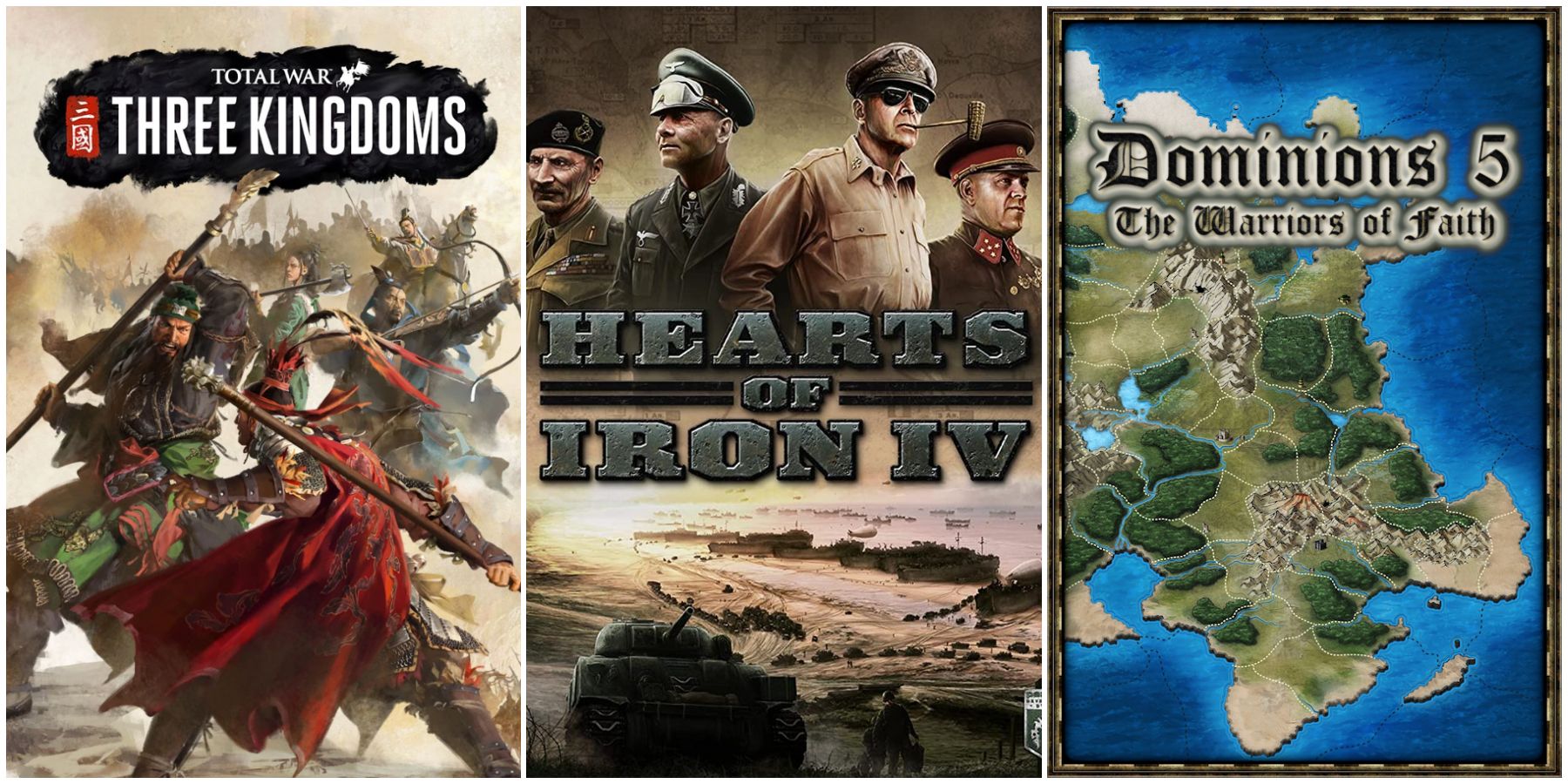
For example: - In Supremacy 1914, the loop is: gather resources → build units → plan attacks → expand territory → defend. - In Tribals, it’s: manage tribe growth → research tech → form alliances → wage war.
Your loop determines the rhythm of play. If it’s too slow, players disengage. If it’s too complex early on, they quit.
Key design questions: - What decision does the player make every 30 seconds? Every 5 minutes? - How does short-term action affect long-term positioning? - Is there visible progression after each session?
Common mistake: Overloading early gameplay with systems. Start with one strong mechanic—like territory control or resource trade—and layer complexity only after player retention is proven.
---
Choose the Right Tech
Stack for Scalable Multiplayer
Building an online strategy game means handling simultaneous moves, persistent states, and often real-time interactions. Your tech stack isn’t just about preference—it’s about survivability under load.
Most indie developers assume “just use Unity or Unreal,” but these engines are overkill for turn-based or asynchronous strategy games. They also introduce latency challenges when synchronized state is critical.
Recommended stack for most online strategy games: - Frontend: React or Vue.js with WebGL (for visual maps) or Canvas - Backend: Node.js or Go (for handling live connections) - Database: PostgreSQL (for relational data) + Redis (for real-time game state) - Networking: WebSockets (via Socket.IO or raw WebSocket servers) - Hosting: AWS, Google Cloud, or Fly.io for global edge deployment
For real-time games like MOBAs or RTS, Unity + Photon or Unreal + Morpheus may make sense. But for turn-based or hybrid strategy games (e.g., Diplomacy clones, empire builders), a lean web stack reduces overhead and improves scalability.
Pro tip: Use a message broker like RabbitMQ or Kafka if you anticipate 10,000+ concurrent games. It decouples game logic from user input and prevents server crashes during peak turns.
---
Design Asymmetry, Not Just Balance
Players don’t crave perfect balance—they crave meaningful choice. A well-designed strategy game gives players asymmetric paths to victory.
Consider Twilight Imperium: factions have wildly different abilities, but each can win through diplomacy, military, or technology. This creates replayability and strategic depth.
In your game, ask: - Can players win in more than one way? - Do different starting conditions lead to unique strategies? - Are there “high-risk, high-reward” paths?
Avoid the trap of “balanced clones”—where every faction plays the same. Instead, design roles with trade-offs: - One faction builds fast but has weak defense - Another moves slowly but gains intel on enemy actions
This creates emergent gameplay. Players don’t just execute optimal moves—they adapt to opponents’ styles.
Real-world example: Clash of Clans lets players focus on offense, defense, or resource farming. The best base layouts counter specific attack types, forcing strategic adaptation.
---
Build for Asynchronous Play (Even in
Real-Time)
Not all players can be online at once. The most successful online strategy games support asynchronous turns or phased actions.
Take Words With Friends or Chess.com’s Daily Chess—players make moves on their own time. This expands your audience beyond hardcore gamers.
For your game, consider: - Phased turns: All players submit actions, then the round resolves simultaneously. - Time banking: Players get 30 seconds per turn, but can act anytime within a 24-hour window. - Event-driven actions: Players set triggers (“If my resource hits 100, build a barracks”) that execute automatically.
This reduces friction and increases retention. A player who logs in once a day is still engaged—unlike in real-time-only games where absence means loss.
Limitation: Asynchronous design complicates real-time interaction. Solve this by clearly separating phases (e.g., “Strategy Phase” vs. “Combat Phase”) and using notifications to cue action.
---
Select the Right Game
Engine or Framework
You don’t always need a full game engine. Sometimes, a framework is faster and more maintainable.
Here are five proven options for building online strategy games:
| Tool | Best For | Pros | Cons |
|---|---|---|---|
| Phaser.js | 2D browser-based games | Lightweight, WebGL support, easy multiplayer integration | Limited 3D, not ideal for complex physics |
| Unity | Real-time 3D strategy games | Strong networking (Netcode), asset store, cross-platform | Heavy, steep learning curve for beginners |
| Godot | Indie strategy games (2D/3D) | Open-source, lightweight, built-in multiplayer | Smaller community, fewer third-party tools |
| Laravel + Vue + Pusher | Turn-based web games | Fast backend, real-time events, great for MVP | Not for high-performance real-time action |
| PlayFab + Unreal | AAA-scale online games | Cloud backend, analytics, live ops tools | Expensive, overkill for small teams |
Verdict: For most indie developers, Phaser.js + Node.js + Socket.IO is the sweet spot. It’s fast to prototype, easy to scale, and runs in browsers—removing download friction.
---
Monetize Without Breaking Gameplay
Monetization kills many strategy games. Pay-to-win models erode trust. Ads in the middle of a tactical decision? Frustrating.
Instead, align monetization with player value: - Sell cosmetics (skins, empires, map themes) - Offer battle passes with non-essential upgrades - Charge for additional account slots or private servers
Clash Royale sells card packs and cosmetics—but never sells the top-tier cards outright. This keeps competition fair while generating revenue.
Avoid: - Speed-up timers (punishes players for waiting) - Exclusive power items - Energy systems that halt progress
Better model: Offer a subscription that removes ads, unlocks analytics, or grants early access to events. Players pay for convenience, not dominance.
---
Test with Real Players Early
Too many developers build in isolation. They spend months coding only to discover no one enjoys the game.
Start testing within two weeks of prototyping.
- How:
- Build a paper or Figma mockup of core mechanics
- Run 3-5 live playtests with friends or Discord communities
- Observe where players hesitate, misunderstand, or disengage
- Iterate before coding the full system
Tools like Board Game Arena or Tabletop Simulator let you prototype rules without writing code.
Once coded, use feature flags to roll out mechanics to 10% of users. Monitor win rates, session length, and drop-off points.
Example: If 70% of players quit after turn 3, your onboarding is failing. Add tooltips, simplify first actions, or offer AI-guided practice.
---
Deploy with a Live Ops Plan
Your game doesn’t end at launch—it begins.
The best online strategy games evolve: - New maps - Seasonal events - Faction updates - Community challenges
Plan your first three content drops before launch.
Use analytics to guide decisions: - Which factions are underused? - Where do players spend the most time? - What actions lead to retention?
Engage your community early: - Share development blogs - Run beta tests with incentives - Let players vote on next features
Stellaris succeeded not because of its launch state, but because Paradox iterated for years based on player feedback.
---
Final Checklist Before Launch
Before going live, run through this checklist:
✅ Core loop tested with real players ✅ Multiplayer sync works under 200ms latency ✅ Game state saved reliably (no lost progress) ✅ Onboarding takes <3 minutes ✅ Mobile and desktop versions tested ✅ Anti-cheat measures in place (e.g., server-side validation) ✅ Moderation tools for toxic behavior ✅ First monetization tier ready (non-intrusive)
If one item fails, fix it. Launching a broken strategy game damages reputation fast. Players won’t return if their empire vanish due to a bug.
---
Building an online strategy game is ambitious—but achievable. Focus on a strong loop, smart tech choices, and player-centric design. Launch small, listen closely, and evolve. The most successful games aren’t the most complex—they’re the ones that feel fair, deep, and alive. Start simple. Build meaningfully. Iterate relentlessly.